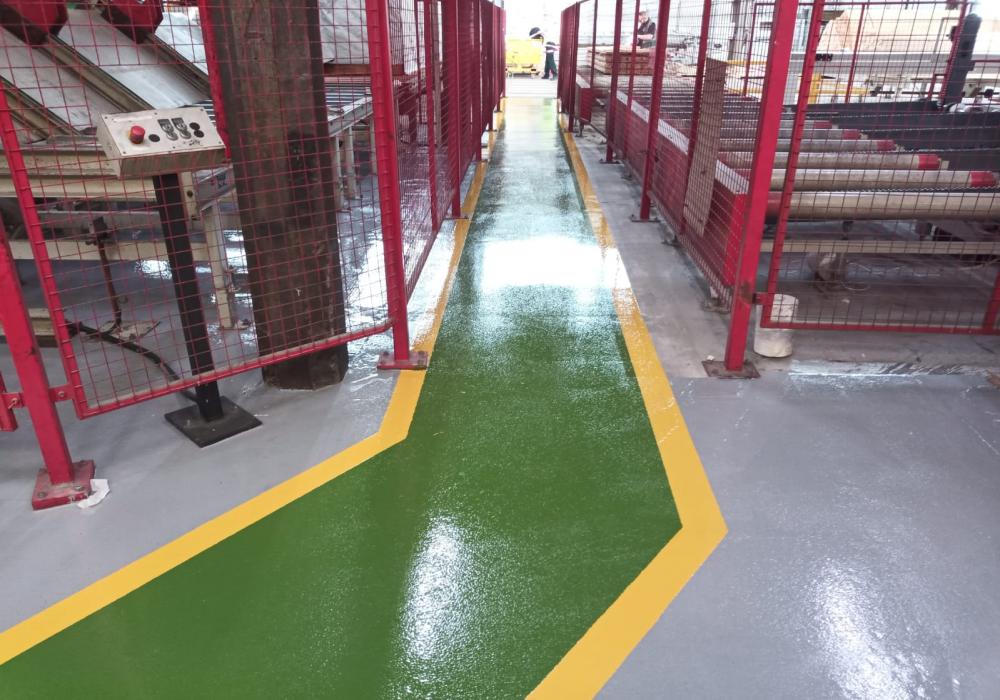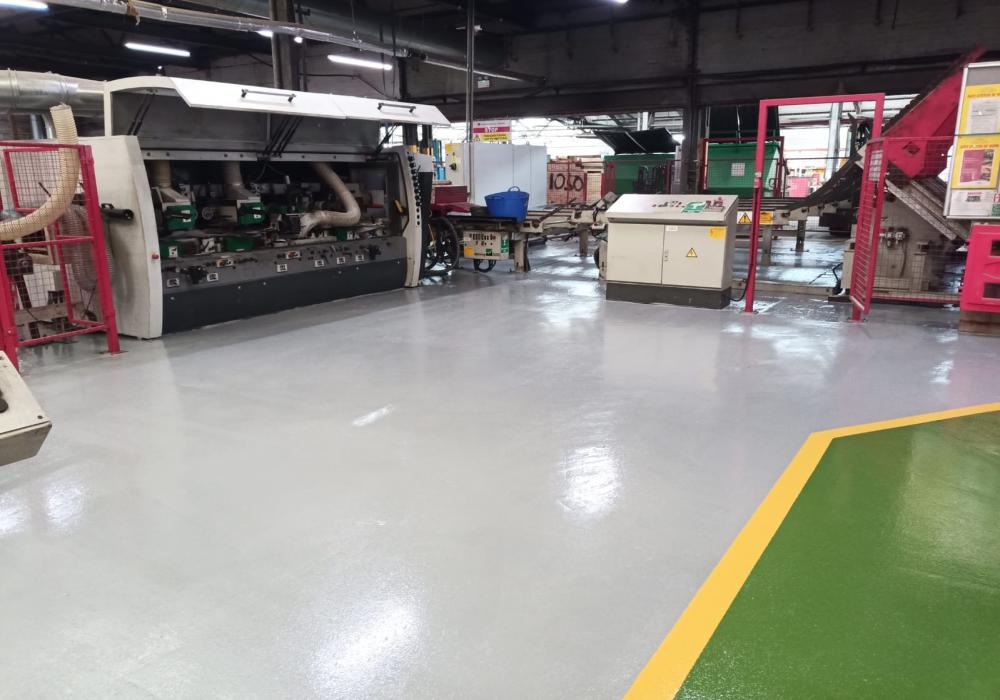
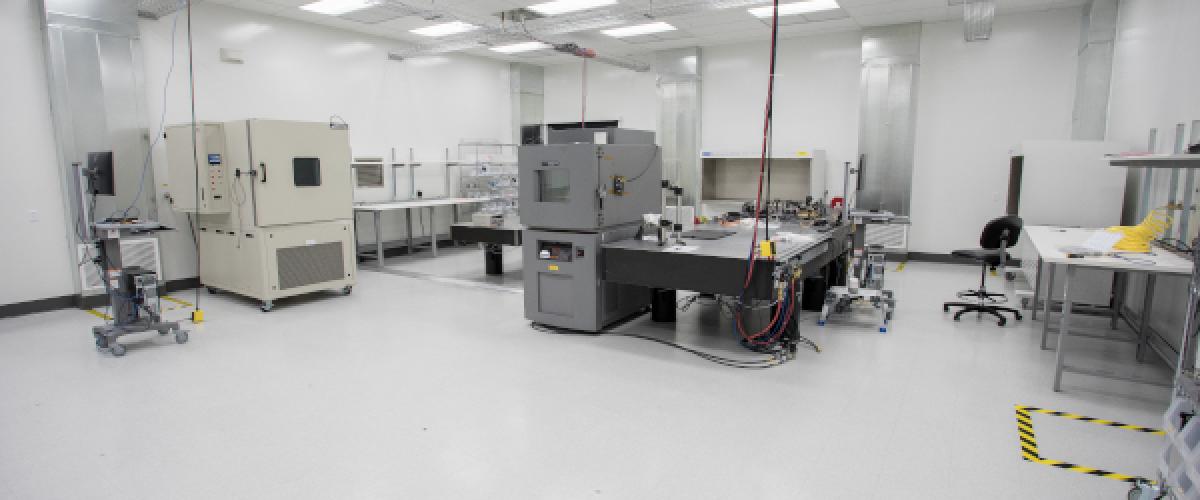
In environments where precision, safety, and compliance are critical—such as aerospace, automotive, electronics, healthcare, and pharmaceutical industries—anti-static resin flooring plays a vital role. These specialised flooring solutions prevent the build-up of static electricity, protecting both the workforce and sensitive equipment. At Contact Flooring, we provide anti-static, conductive, and dissipative resin flooring systems tailored to meet stringent health, safety, and industry-specific requirements, including compliance with the BS2050 standard. Available in various finishes, our solutions offer superior performance, chemical resistance, and durability, ensuring your workspace remains safe, efficient, and compliant.
What Is Anti-Static Resin Flooring?
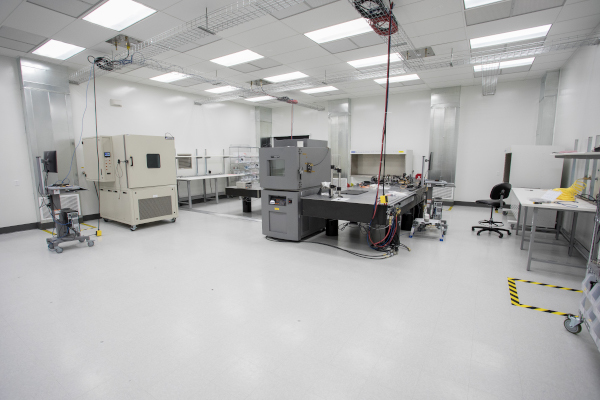
Anti-static resin flooring systems are designed to dissipate or conduct static electricity, preventing electrostatic discharge (ESD) that can damage sensitive equipment, disrupt manufacturing processes, or cause safety hazards. This flooring type ensures the safe and smooth operation of facilities where static build-up could have severe consequences, such as:
- Electronics manufacturing and assembly lines.
- Healthcare and pharmaceutical laboratories.
- Automotive and aerospace production areas.
- Printing facilities.
Types of Anti-Static Flooring Systems We Offer
At Contact Flooring, we specialise in a wide range of anti-static, conductive, and dissipative resin flooring systems, designed to meet your unique requirements:
- Self-Smoothing Systems (2-3mm): Ideal for precision environments, offering a seamless, easy-to-maintain surface.
- Trowel-Applied Screed Systems (6-8mm): Robust, durable, and suitable for high-traffic areas or environments requiring heavy-duty performance.
All systems are available in epoxy and polyurethane versions and can be finished with a matte or gloss coating. Additional benefits include:
- Chemical Resistance: Protects against spills and harsh cleaning agents
- Slip Resistance: Ensures a safe working environment for employees.
Why Your Business May Need Anti-Static Flooring
Static electricity can cause significant challenges in sensitive industrial settings, including:
- Damage to sensitive electronics or components during assembly or manufacturing.
- Risk of sparks leading to fires or explosions in volatile environments.
- Compromised product quality due to electrostatic discharge.
By installing a conductive resin flooring system, businesses can eliminate these risks, ensuring compliance with industry standards and creating a safe, efficient working environment.
Meeting Industry Standards
To ensure compliance, the correct resistance levels for your facility will need to be determined. Measurements are typically conducted by an electrical engineer to calculate resistance requirements. Once these values are determined, Contact Flooring will recommend the most suitable system to meet your needs, ensuring compatibility with:
- BS2050: Anti-Static and Conductive Standards.
- Specific health and safety regulations for your industry.
Key Benefits of Anti-Static, Conductive, and Dissipative Resin Flooring
- Electrostatic Protection: Prevents static discharge and damage to sensitive equipment.
- Durable and Long-Lasting: Robust systems that withstand heavy traffic and harsh environments.
- Chemical and Slip Resistance: Maintains safety while enduring tough conditions.
- Customisable Finishes: Choose from matte or gloss finishes to suit your workspace aesthetics.
- Versatility: Suitable for industrial, commercial, and specialised manufacturing environments.
- Easy Maintenance: Seamless, hygienic surfaces that are easy to clean and maintain.
Why Choose Contact Flooring?
Contact Flooring is a leading provider of anti-static resin flooring systems in the UK, covering England, Scotland, and Wales, including cities like London, Birmingham, Manchester, Cardiff, Glasgow, and Edinburgh. With years of expertise, we deliver:
- Custom-tailored flooring solutions to meet your specific resistance and durability needs.
- Compliance with stringent safety and industry standards.
- Expert installation using premium materials for long-term performance.
- Reliable service that minimises downtime and disruption to your operations.
Get in Touch Today!
Protect your facility, employees, and sensitive equipment with anti-static resin flooring solutions from Contact Flooring. Whether you're in aerospace, healthcare, automotive, or another sector, our team is ready to design and install a flooring system that meets your exact specifications.
Call us today or fill out our contact form to schedule a consultation. Ensure compliance, enhance safety, and create a durable, functional workspace with Contact Flooring—your trusted partner in resin flooring solutions.
Common questions
What is the difference between conductive and dissipative flooring?
Both types of resin floor control static electricity, but they do so at different resistance levels. The level a site needs is normally established through measurements, typically by an electrical engineer, and a compatible conductive or dissipative system is then recommended. Choosing correctly protects sensitive equipment and reduces spark risk in volatile environments.
Which industries need anti-static flooring?
Anti-static resin flooring is used wherever electrostatic discharge could damage products or create a hazard. Typical sectors include electronics manufacturing and assembly, healthcare and pharmaceutical laboratories, automotive and aerospace production, and printing facilities. In these settings static can damage sensitive electronics, cause sparks near volatile materials or affect product quality.
How thick is anti-static resin flooring?
It depends on the system. Self-smoothing anti-static floors are typically 2-3mm thick and suit precision environments needing a seamless finish. Trowel-applied screed systems are typically 6-8mm thick and are designed for high-traffic or heavy-duty areas. Both are available in epoxy or polyurethane, with a matte or gloss finish.
What standard does anti-static flooring need to meet?
Anti-static resin systems are specified to be compatible with BS2050 alongside the health and safety rules for the relevant industry. Required resistance levels are confirmed by measurement before a system is chosen. To discuss your site's requirements and arrange a site visit, call 0161 726 5095.