
Flexible self smoothing resin floor installers London | 322 m2
What the client wanted to achieve
Working for a highly regarded London based refurbishment company and ultimately one off the top on-line and now high street brands our challenge here was very clear and purely time driven, the brief was to remove an existing polyurethane self-levelling system that had been incorrectly installed, the first thing to overcome was why the SL was failing after just one week, once we had investigated it was clear that the priming process hadn’t been fulfilled and the substrate which we still had to deal with wasn’t challenged enough for the system to be a success, here is what we did.
The solution
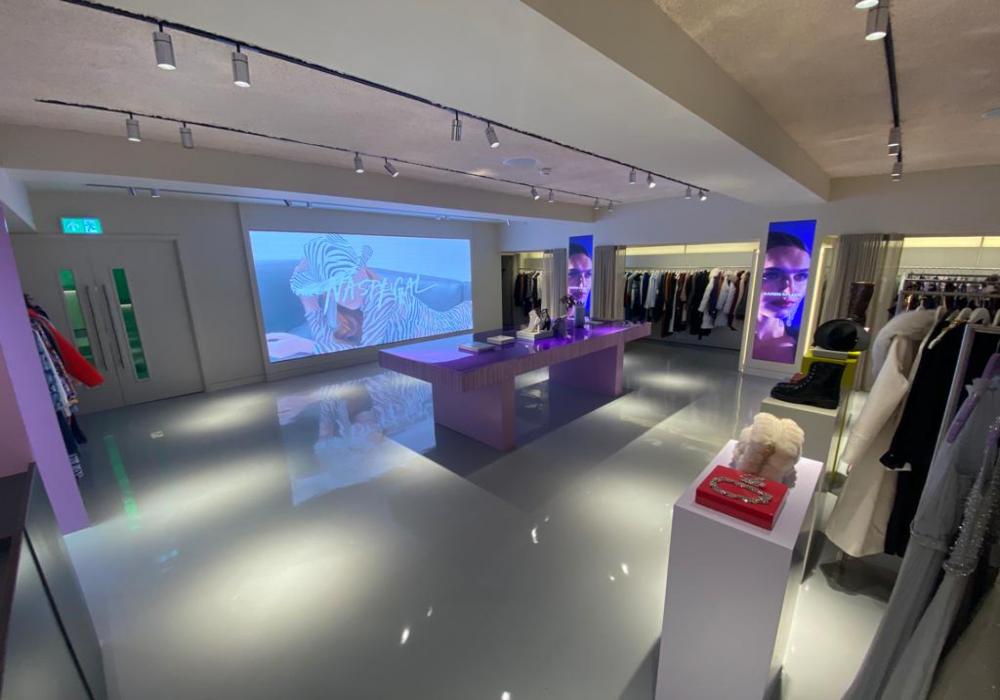
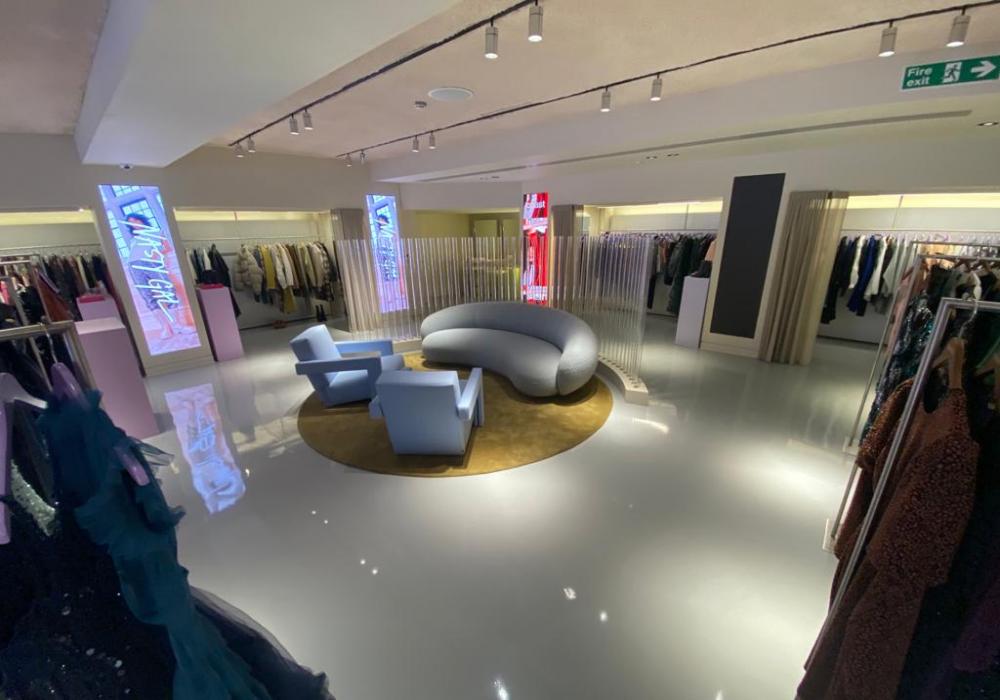
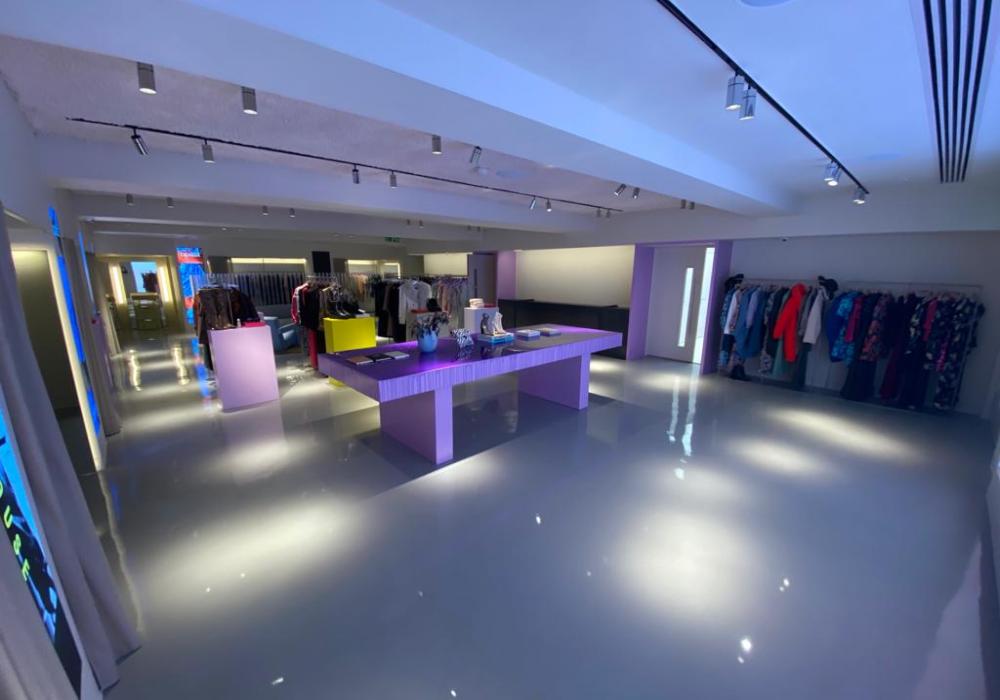
We agreed with our client that 5 days would be required to correct the issue and deliver what would not just be a fit for purpose finish but also the “WOW” factor they were looking for, we started by removing the 3mm polyurethane SL with a DFG machine where it was bonded and tile lifters where it had failed, immediately there was a concern as there was a thin set screed underneath, this was fortunately bonded very well but in places but where it had failed there was a very old wood block floor acting as the main floor structure, fortunately when these types of floors were installed back in the early to mid-1900’s they were done correctly, to conclude, once all of the preparation had been carried out and repairs had taken place we flooded the entire areas, ground floor and basement with a water based primer to seal every cavity that could possibly exist, this then was followed by 2 coats of polyurethane primer and then a 3mm polyurethane flexible self smoothing system was installed, this ultimately delivered a stunning high gloss, very smooth and aesthetically pleasing surface which not only matched the surrounding tasteful fittings but actually brought light and life to the internal aspects of the building.
Common questions
Why would a polyurethane self-levelling floor fail after a week?
Poor preparation is a common cause. In this London retail unit, the existing 3mm polyurethane self-levelling floor failed after one week because priming had not been carried out properly and the substrate was not sound enough to support a new system, so it had to be removed and the floor rebuilt.
Can resin flooring be laid over an old wood block floor?
It can with thorough priming. Where the failed floor had lifted, a very old wood block floor formed the main structure. The ground floor and basement were flooded with a water-based primer to seal every cavity, followed by two coats of polyurethane primer before the new 3mm flexible self-smoothing system was laid.
What finish does a flexible self-smoothing resin floor give?
A flexible polyurethane self-smoothing floor can give a high-gloss, very smooth finish. In this 322m2 London retail outlet, the 3mm system matched the surrounding fittings and brightened the interior, making it well suited to a customer-facing high street store.
How was the failed floor removed?
Areas of the 3mm polyurethane self-levelling layer that were still bonded were removed with a DFG machine, while areas where it had failed were lifted with tile lifters. Repairs followed removal, and the client and contractor agreed five days were needed to correct the issue across the ground floor and basement.
Some before and afters

